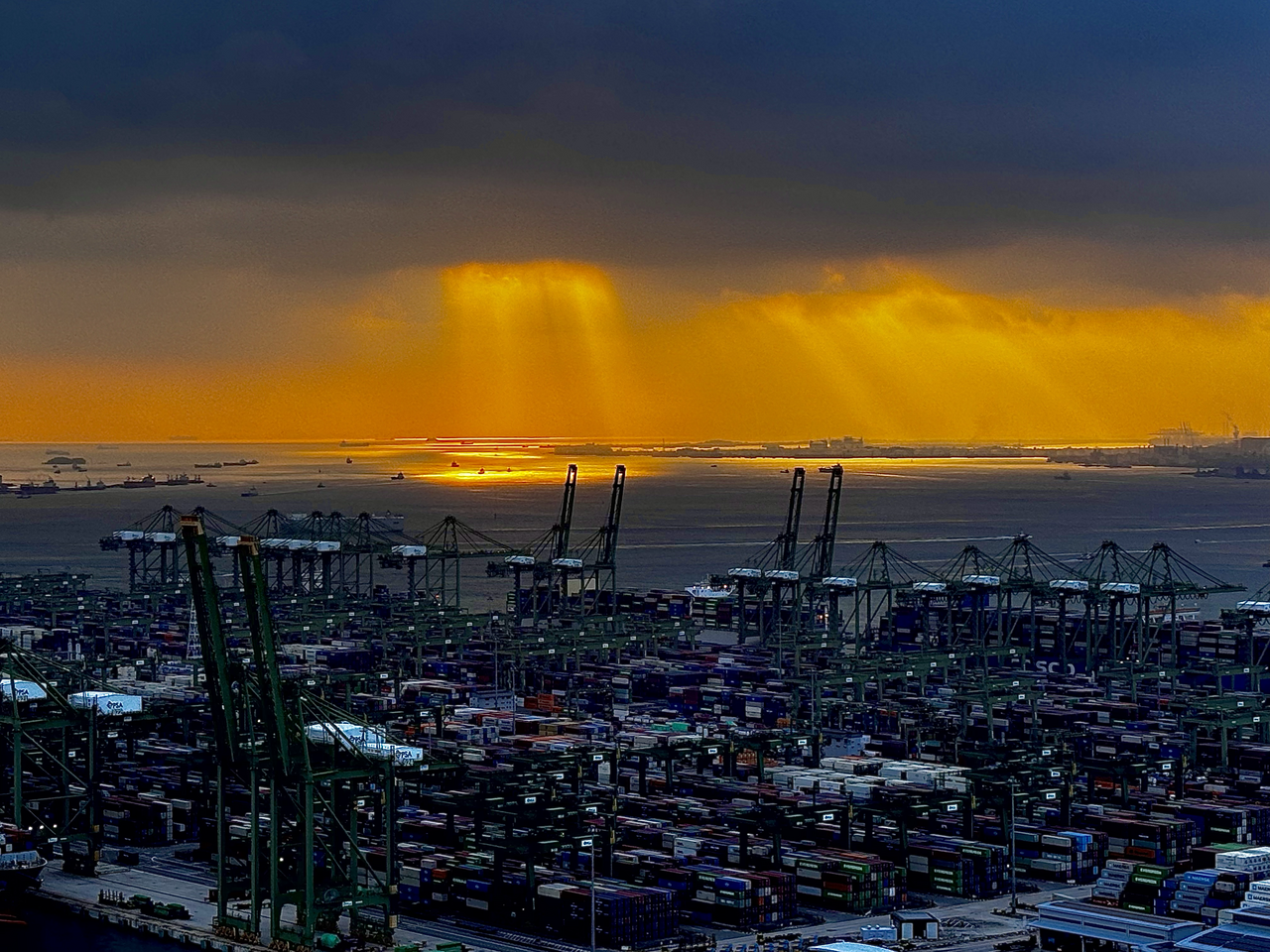
Photo: Icepinner · CC BY 4.0 · Source photograph colour-corrected and sharpened by its author. Thumbnail resized; display may crop the frame.
Ask what the source actually confirms
A headline can be relevant without being an instruction to change a shipment plan. Start by identifying who published the underlying information. Is it the authority responsible for the decision, a carrier describing its own service, a market commentator or someone repeating another report?
Open the original page and write a one-sentence account of what it confirms. Keep interpretation in a separate note. If the original material is unavailable, say that the claim still needs verification rather than filling the gap with a confident explanation.
Separate publication time from business impact
A page published today may discuss an older event or a change scheduled for a later date. Record those dates separately. Then identify the countries, routes, products or documents covered by the notice. A development affecting one lane should not be presented as a rule for every shipment.
Before you change a working file, ask the person responsible for that part of the transaction to confirm applicability. Use the headline to start a precise question, not to bypass the bank, carrier, customs adviser or commercial decision-maker.
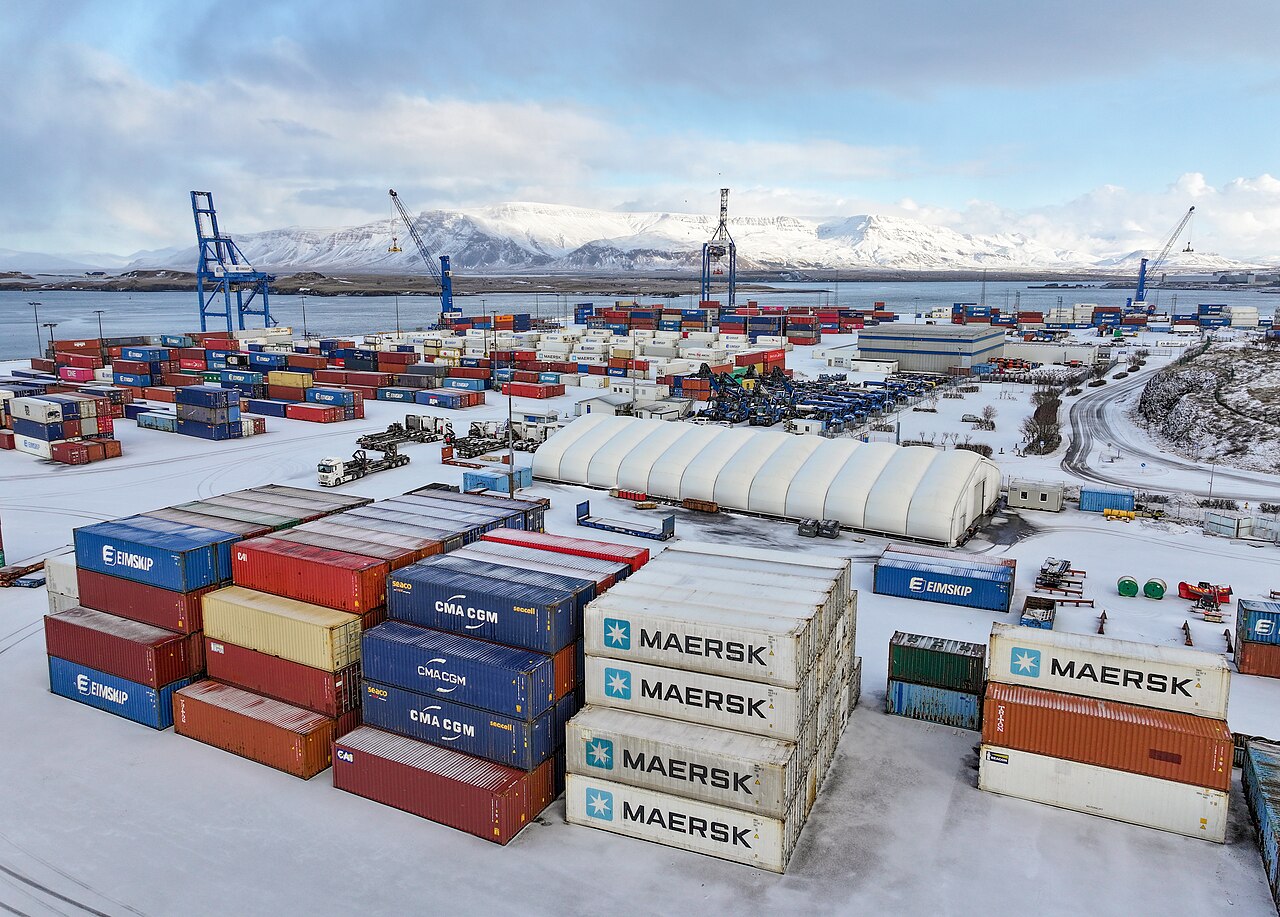
Photo: Quintin Soloviev · CC BY 4.0 · Thumbnail resized; display may crop the frame. No other edits by Xenzlab.
Write an update someone can use
Use four short parts: the confirmed development, the source and date, why it might matter to the team's work, and the next verification step. Avoid predictions dressed as facts. If you calculate a possible effect, describe the assumptions and keep the result separate from reported information.
The same discipline applies to tracking and finance references. Carrier support pages and ICC guidance are primary reference points for their respective topics, but they do not confirm the facts of your individual shipment or credit. Keep transaction-specific confirmation in the working file.
Keep photographs honest
A photograph makes an article easier to read, but it also creates an expectation about what happened. Use an event photograph only when its location, date and reuse rights are verified. Otherwise label a relevant licensed photograph as context, and identify the actual location.
Xenzlab's launch guides use credited context photographs. They are not pictures of a reported incident, a particular customer's cargo or a current position. Future news should keep that distinction just as clear.
Sources & editorial notes
- Maersk: container tracking referenceChecked 2026-10-08
- ICC: UCP 600 guidance referenceChecked 2026-10-08
AI-assisted original explainer. This is an evergreen working guide, not a live news report. Photographs show the locations identified in their captions; they do not verify an event or a customer’s shipment. This article provides general information, not bank, legal, customs or investment advice.
Editorial policy and corrections