
Photo: Icepinner · CC BY 4.0 · Source photograph colour-corrected and sharpened by its author. Thumbnail resized; display may crop the frame.
Start with the shipment, not the map
A shipment update should help someone decide what to do next. A moving vessel dot is interesting, but it does not settle whether your particular container has been loaded, discharged or made available for collection. Keep the shipment reference at the centre of the conversation.
Maersk explains that container tracking records key points in a journey, such as loading and arrival at a port. It also notes that update frequency varies. Use the actual carrier record as your first source and read the wording carefully: a planned event is not a completed event.
Build a small log that everyone can trust
For each check, save the carrier, the BL or booking reference, the container number, the latest milestone exactly as shown, the relevant port and the time you checked. Keep the source link. If an event has its own timestamp, record that separately from your check time.
Add the next action and the person responsible. For example: ask the supplier to confirm loading, request the next-leg vessel name from the forwarder, or tell the buyer that the carrier has revised its arrival estimate. A short, consistent log is usually more useful than a collection of screenshots without dates.
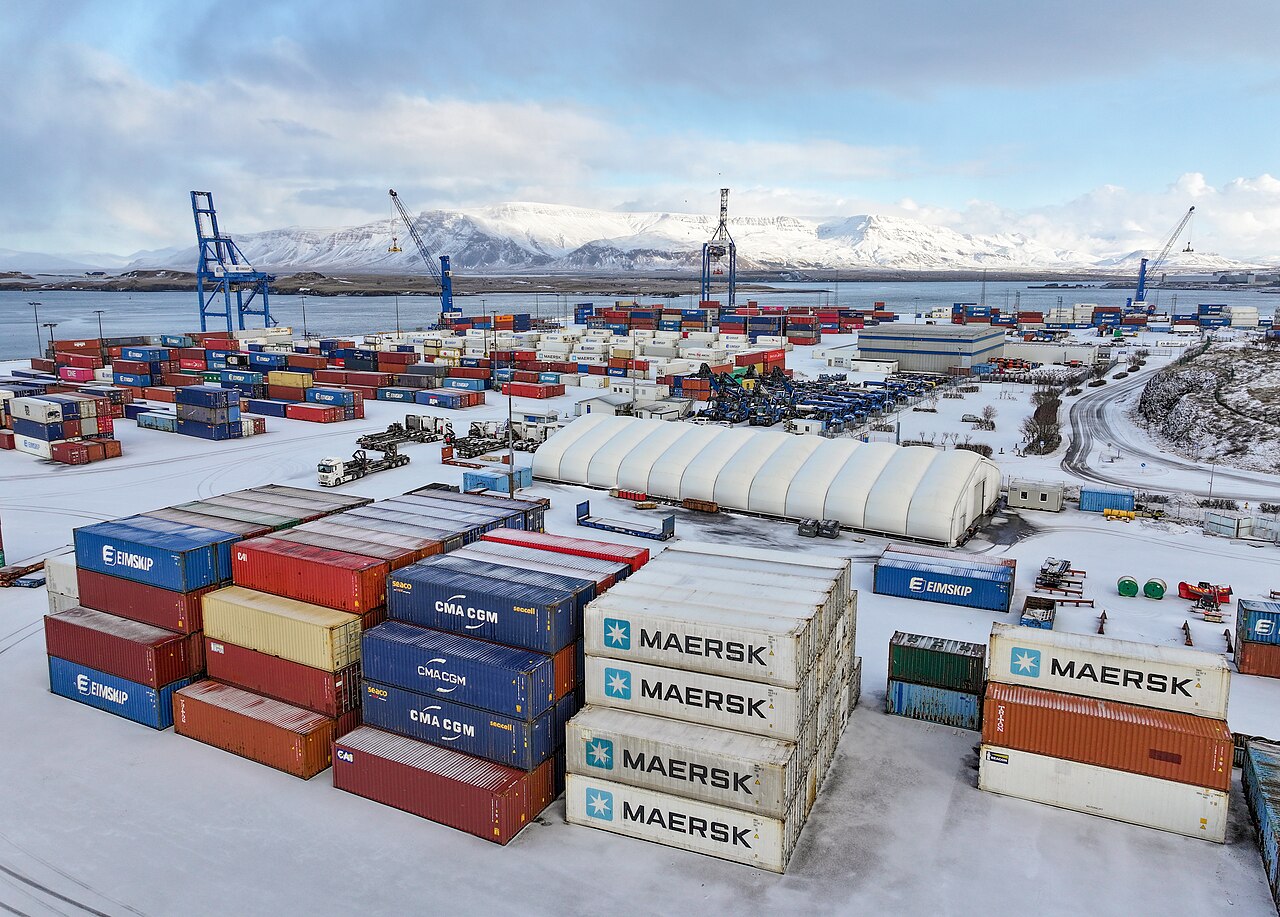
Photo: Quintin Soloviev · CC BY 4.0 · Thumbnail resized; display may crop the frame. No other edits by Xenzlab.
Handle transshipment and changing estimates calmly
At a connection port, ask which shipment event has actually been recorded and whether the onward leg is confirmed or only planned. Do not infer a completed transfer from the location of a vessel alone. If two sources disagree, keep both records and ask the carrier or forwarder to reconcile them.
When an estimate changes, communicate three things: what changed, where the update came from and what still needs confirmation. Keep warehouse, transport and document arrangements separate until the relevant parties confirm their own requirements. An estimated arrival is a planning input, not a delivery promise.
Use Xenzlab as the working desk
Open Shipment Tracking to identify the carrier and reach the original tracking source. Use Vessel Tracking for additional vessel context. Keep the latest checked update alongside your trade file; do not label an unverified position as live or assume a source provides continuous coverage.
Before you send the buyer an update, ask: does this describe our cargo, the ship, or a forecast? That single distinction prevents many avoidable misunderstandings.
Sources & editorial notes
- Maersk support: Where is my container?Checked 2026-10-08
AI-assisted original explainer. This is an evergreen working guide, not a live news report. Photographs show the locations identified in their captions; they do not verify an event or a customer’s shipment. This article provides general information, not bank, legal, customs or investment advice.
Editorial policy and corrections